Understanding the Probate Process: Why a Skilled Probate Lawyer Is Essential
Managing the probate process can be overwhelming for many families. Disputes among heirs, legal challenges, and emotional strain commonly surface. A qualified probate lawyer plays a crucial role in directing families through these obstacles. Their expertise guarantees that state laws are followed and the estate is administered smoothly. Grasping the complexities of this process is essential, as the right legal support can greatly impact the final resolution. What factors should families evaluate when selecting the right attorney?
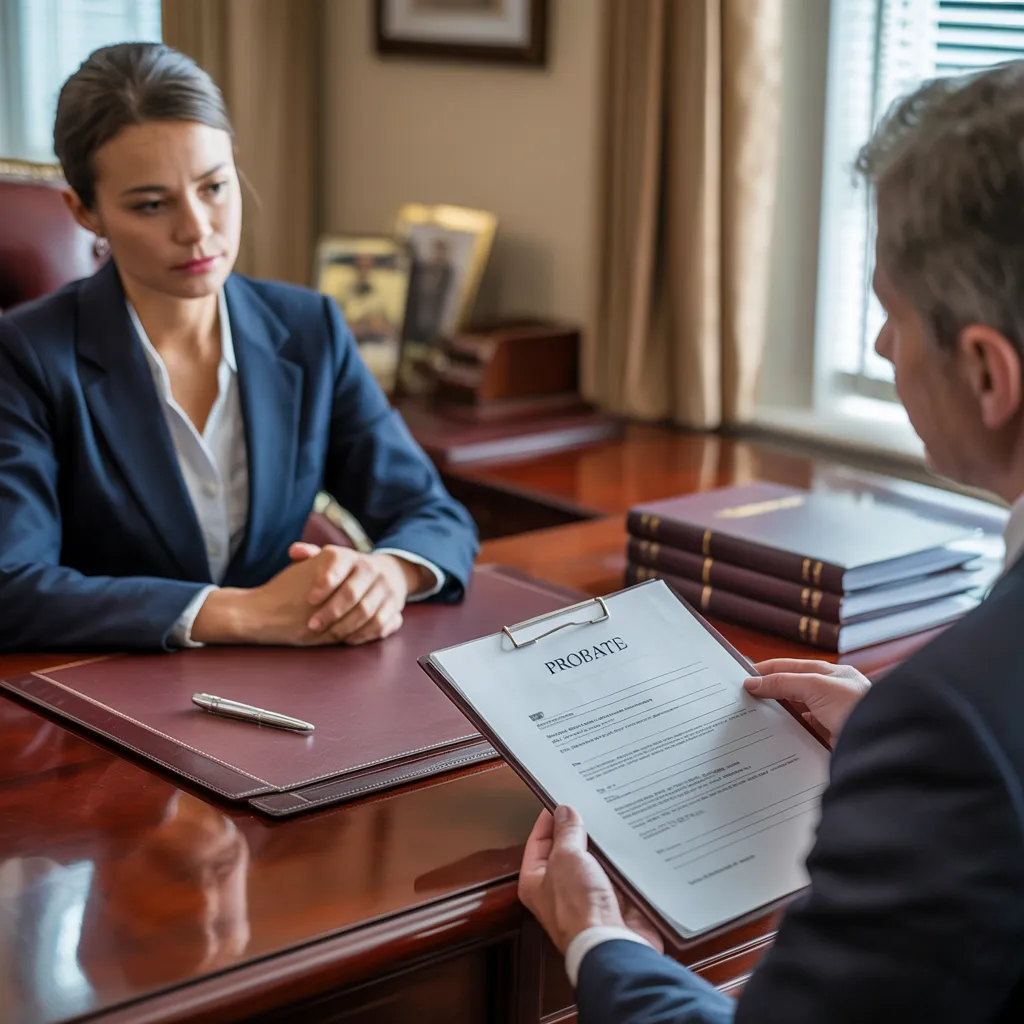
Probate Explained: Everything You Need to Know
Comprehending probate proceedings is essential for those handling the estate of a loved one who has passed, as this legal procedure ensures that assets are distributed according to the deceased's wishes. Probate encompasses validating the decedent's will, should one exist, and overseeing the administration of the estate. This procedure typically requires filing essential paperwork with the court and alerting beneficiaries and creditors.
The probate court guarantees that outstanding debts are paid before assets are divided, providing a transparent framework for managing the deceased's affairs. Based on the jurisdiction, the probate proceedings can differ in complexity and length. Elements such as the scale of the estate, the presence of a will, and any disputes among heirs can influence proceedings. Comprehending these aspects is vital for executors and beneficiaries alike, as it enables them to address potential obstacles and guarantees compliance with legal obligations throughout the probate process.
The Benefits of Hiring a Skilled Probate Lawyer
Retaining a qualified probate lawyer provides considerable gains during the probate process. Their specialization in legal processes can reduce stress and confusion for loved ones enduring this challenging time. In addition, a skilled attorney provides a more efficient distribution of property, accelerating what can often be a difficult process.
Expertise In Legal Procedures
Maneuvering the challenges of probate can be daunting, especially for those new to legal intricacies. Engaging a skilled probate lawyer offers essential knowledge and skill, ensuring that all legal requirements are followed carefully. These professionals are well-versed in state laws, court rules, and documentation requirements, which can vary considerably. Their knowledge enables them to anticipate potential issues, reducing delays and eliminating costly mistakes. Furthermore, a competent probate lawyer can effectively communicate with all parties involved, from beneficiaries to creditors, ensuring seamless coordination. Their experience in navigating complex cases prepares them to address disputes or challenges effectively. Ultimately, retaining a skilled probate lawyer not only accelerates the process but also increases the likelihood of a favorable outcome.
Eliminated Stress And Confusion
Regularly, people navigating the probate process encounter significant overwhelm and distress. The complexities of legal obligations, documentation, and court procedures can burden those in the midst of mourning the loss of a loved one. A knowledgeable probate lawyer minimizes this burden by supplying expert direction throughout the entire process. They recognize the details of probate law and can efficiently address any legal obstacles that occur. By managing deadlines, filing necessary documents, and communicating with involved parties, a probate lawyer works to minimize stress and uncertainty. This knowledgeable support permits individuals to direct their attention to their emotional well-being and personal matters, rather than getting lost in bureaucratic complexities. Ultimately, enlisting a probate lawyer promotes a more manageable experience during an emotionally trying time.
Effective Asset Distribution Process
An experienced probate lawyer plays an essential role in securing an effective asset distribution process. Their expertise allows for the rapid identification and assessment of assets, which is essential for prompt resolution. By traversing complicated legal mandates, they assist in preventing setbacks that can stem from conflicts or disagreements among beneficiaries. A qualified attorney also promotes open communication among heirs, limiting potential disagreements and ensuring everyone is informed. Additionally, they can streamline the essential paperwork, facilitating a smoother transition of assets. Ultimately, engaging a probate lawyer not only streamlines the distribution process but also safeguards the interests of the decedent's wishes, establishing a clear direction for beneficiaries to take during a difficult time.
Key Responsibilities of a Probate Attorney
Probate attorneys play a critical part in supporting families through the intricacies of the probate process. Their principal obligation is to oversee the management of a deceased person's estate, guaranteeing that every legal requirement is satisfied. This involves filing necessary court documents, such as the will and petitions for probate, and advocating for the estate during court proceedings.
In addition, probate lawyers support identifying and valuing assets, managing and clearing debts, and guaranteeing that heirs receive their proper inheritances. They offer legal guidance to appointed executors and estate administrators, enabling them to grasp their obligations and navigate any potential disputes among heirs.
Additionally, these attorneys handle tax concerns related to the estate, confirming compliance with pertinent regulations. By handling these responsibilities, probate counsel help to alleviate stress for affected families during a difficult period, letting them direct their energy toward healing rather than navigating legal complexities. Their specialized knowledge proves indispensable for a streamlined and successful probate process.
Frequent Challenges in the Probate Process
Regardless of the support of a probate attorney, families regularly come across various difficulties throughout the probate proceedings. A major challenge is the complexity of state laws, which can vary widely and complicate the administration of the estate. Moreover, conflicts can emerge amongst family members over how the will should be interpreted or the distribution of assets, resulting in possible disagreements that can prolong the process.
Another challenge involves the requirement for thorough documentation, as missing or incomplete paperwork can result in delays. Executors may also struggle with overseeing outstanding debts and tax obligations, which need to be resolved prior to issuing any distributions. In addition, emotional stress during this time can impair decision-making abilities, compromising sound judgment. To conclude, the probate process itself can be lengthy, frequently spanning months to several years, which can impose considerable economic pressure on the estate and its heirs.
Common Challenges a Probate Lawyer Is Equipped to Address
Estate attorneys play an essential role in maneuvering intricate legal matters that can often overwhelm individuals. They also assist in settling family disputes, ensuring that the probate process runs as smoothly as possible. By managing these typical difficulties, probate attorneys key information help to reduce anxiety for clients during a challenging period.
Handling Complex Legal Matters
Working through the intricate landscape of legal procedures can challenge even the most prepared individuals. Probate encompasses a multitude of forms, deadlines, and regulations that can be overwhelming. A skilled probate lawyer serves as a key guide, expertly navigating these challenges. They make certain that all necessary documents are accurately completed and submitted on time, reducing the risk of delays. Additionally, they are experienced in interpreting state-specific probate laws, which can vary significantly. This expertise helps prevent costly mistakes and ensures compliance with legal requirements. By handling procedural challenges directly, a probate lawyer reduces the stress on executors and beneficiaries, permitting them to concentrate on honoring their loved one's legacy while guaranteeing a more seamless probate process.
Settling Family Conflicts Successfully
How can families effectively resolve disputes during the probate process? Working with an experienced probate attorney can significantly reduce tensions and improve communication between family members. Such experts have the knowledge and skills to handle legal intricacies while offering unbiased advice, assisting in resolving matters including asset allocation and the validity of the will.
Probate attorneys frequently facilitate conversations, guaranteeing that all perspectives are considered while centering attention on the departed's objectives. These professionals assist in finding shared understanding, minimizing the risk of extended disagreements. Additionally, they can educate families about their rights and obligations, encouraging a spirit of mutual cooperation. By proactively handling emerging disagreements, estate attorneys not only accelerate proceedings but also mitigate emotional strain, allowing families to move forward with greater harmony and understanding.
How to Select the Best Probate Attorney
Identifying the most suitable probate lawyer can considerably impact the outcome of the estate management process. People should start by requesting suggestions from people they trust, such as family or friends who have navigated probate matters. Examining testimonials and online reviews can help evaluate a legal professional's reputation and expertise.
It is crucial to assess the attorney's expertise specifically in probate law, as this area of focus can significantly impact the process. Potential clients should inquire about the lawyer's familiarity with local probate courts and procedures, as regional expertise can prove to be a significant advantage.
Setting up an introductory appointment allows individuals to assess the lawyer's communication style and approach to client relationships. Throughout this session, discussing fees and payment structures is important to avoid any misunderstandings later. In the end, choosing a probate lawyer who demonstrates both competence and empathy is crucial for navigating the intricacies of probate proceedings successfully.
FAQs About Probate Law
What inquiries frequently come up when individuals encounter the probate process? Many seek clarity on how long probate typically takes, which may fluctuate greatly based on the complexity of the estate and regional regulations. Some inquire about the expenses associated with probate, such as court filing fees and legal counsel costs, which tend to mount significantly as the process unfolds.
People frequently wonder if probate is always required; in some cases, the transfer of assets can occur without this process, most notably when held within a trust or assigned to specific beneficiaries. Additionally, questions about the role of the executor arise, as people seek clarity on their duties and possible legal obligations.
Issues surrounding contesting a will frequently come up, as interested parties commonly want to learn the reasons for challenging a will and the probability of a favorable outcome. Finally, many inquire about the distribution of assets, looking for clarity on the manner and timing of inheritance distribution. Addressing these FAQs can demystify the probate process considerably.
Frequently Asked Questions
How Much Time Does the Probate Process Usually Take?
The estate probate process typically takes half a year to a full year, depending on the complexity of the estate, the applicable jurisdiction, and whether any disputes arise. Delays can occur due to paperwork issues, creditor-related claims, or disputes within the family.
Can Probate Be Avoided Altogether?
Probate can often be avoided by utilizing strategies like establishing trusts, designating beneficiaries, or joint ownership of assets. These methods allow for easier transitions of assets without the need for formal probate proceedings, benefiting heirs considerably.
What Are the Costs Associated With Probate?
The costs associated with probate commonly include court fees, attorney fees, executor fees, and appraisal costs. These costs can fluctuate significantly based on the complexity of the estate, the governing jurisdiction, and the presence of disputes among beneficiaries or creditors.
How Can I Contest a Will During Probate?
To dispute a will throughout the probate process, one must file a formal objection in court, presenting evidence of undue influence, lack of capacity, or improper execution. Retaining an attorney is typically vital to effectively navigate this complicated process.
What Happens if Someone Dies Without a Will
When a person passes away without a will, their estate is deemed intestate. State legislation determines the distribution of assets, typically giving priority to spouses and children, while courts assign an administrator to manage the probate process.